

2026 medical credentialing is changing fast, and practices that prepare now will avoid delays, denials, and serious cash-flow problems.
Getting credentialed as a healthcare provider used to be a paperwork nightmare that took months, but new tools and standards are reshaping how the entire medical credentialing process works.
AI-powered systems, secure digital verification, and automated processing are gradually replacing manual workflows. That can mean faster approvals as long as your documents, data, and internal processes are ready for what comes next.
Why 2026 Medical Credentialing Matters More Than Ever
Think of credentialing as your organization’s passport to get paid. Without current credentials, you can’t join provider networks, maintain hospital affiliations, or bill many insurance plans.
The medical credentialing process verifies education, training, licenses, certifications, malpractice history, and work history so payers and facilities know your providers are qualified to treat their members.
One mistake, missing document, or discrepancy between a CV and submitted forms can delay approvals by months, which is why 2026 medical credentialing demands tighter organization than ever.
2026 medical credentialing team review
What’s Actually Changing in 2026
Across the industry, credentialing programs are shifting from paper-heavy, one-time checks to digital systems that use primary-source data and continuous monitoring.
Hospitals, health plans, and billing companies are upgrading provider credentialing platforms to verify licenses and education directly, track expirations, and keep provider files current.
Key Technology Shifts
- Automated verification: Modern tools pull license and education data from official sources so staff spend less time faxing and scanning documents.
- Secure digital storage: Credentialing data is stored in controlled systems that help reduce fraud and protect sensitive information.
- Real-time updates: When a license, DEA registration, or certification renews, systems can update statuses across multiple organizations.
- Integrated systems: Many platforms now connect credentialing, privileging, and provider enrollment so the same accurate profile feeds every step.
New Expectations for 2026 Medical Credentialing
Standards bodies and payers expect more consistent credentialing processes, fresher data, and better tracking of how concerns are handled.
For practices of all sizes, that means treating provider credentialing as an ongoing process rather than a task that appears only every few years.
Continuous Monitoring and Background Checks
- Continuous monitoring: Licenses, sanctions, and exclusions may be checked automatically between recredentialing cycles, so lapses are spotted quickly.
- Expanded background review: Many organizations look closely at malpractice history, disciplinary actions, and gaps in work history when evaluating providers.
Telehealth and Specialty Requirements
- Telehealth credentials: If your practice offers virtual visits, you may need to document cross-state licensure and meet specific telehealth technology standards.
- Specialty-specific criteria: Some payers expect more detailed evidence of training, experience, and procedure volumes in each specialty.
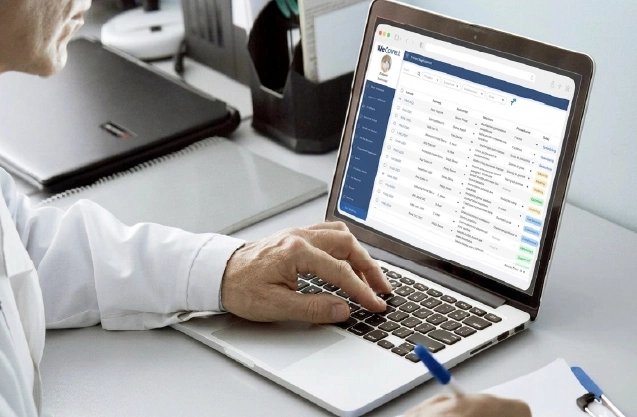
Step-by-Step 2026 Medical Credentialing Process
Even with new tools, the provider credentialing lifecycle still follows three main phases: credentialing, privileging, and payer enrollment.
Phase 1: Credentialing (60 to 90 days)
This phase verifies core qualifications to practice medicine. You submit education, training, license, certification, malpractice, and work-history details, which are checked with primary sources.
Phase 2: Privileging (30 to 60 days)
Privileging defines the procedures and services a provider is allowed to perform at hospitals or facilities based on training and experience.
Phase 3: Payer Enrollment (90 to 120 days)
Payer enrollment gets providers into Medicare, Medicaid, and commercial plans so your practice can bill and be reimbursed. Each payer has its own applications and portals, so clean, consistent data is essential.
Altogether, the 2026 medical credentialing and enrollment cycle can take up to 180 days, which is why starting early is crucial when opening a new practice or adding providers.
2026 medical credentialing timeline
The Most Common Credentialing Pitfalls (And How to Avoid Them)
- Incomplete applications: Missing signatures, unanswered questions, or absent documents send files to the bottom of the pile.
- Outdated information: Old forms, expired licenses, or dates that don’t match the CV trigger follow-up requests and delays.
- Weak or slow references: References who don’t respond quickly can hold up otherwise clean files.
- Malpractice coverage gaps: Even short breaks in coverage often need extra explanation and may slow approvals.
- Hospital affiliation issues: Unclear or problematic hospital history can result in additional committee review.
Your 2026 Medical Credentialing Checklist
Use this credentialing checklist to prepare a complete digital packet before you start any new applications.
Education & Training
- Medical school diploma and transcripts
- Residency completion certificate
- Fellowship certificates (if applicable)
- Board certification documents
- CME transcripts for the past 3 years
Licenses & Certifications
- Current state medical license for each state of practice
- DEA registration
- State-controlled substance licenses (if required)
- CPR/BLS and other life-support certifications
- Any specialty certifications
Professional History
- Detailed CV with no gaps in employment
- Hospital affiliations and clinical privileges
- Malpractice insurance declarations pages
- Work history for at least the past 5 years
- Peer references (usually 3 to 5 from the same specialty)
Background Information
- Criminal background check (if required)
- Exclusion screenings (federal and state)
- Malpractice claim history and explanations
- Details and resolutions for any disciplinary actions or sanctions
medical credentialing checklist 2026
Strategies to Speed Up Your 2026 Medical Credentialing
- Centralize your data: Keep a single secure folder for all documents, plus a master CV that you update any time something changes.
- Submit clean applications: Double-check license numbers, dates, and addresses across every form before you click submit.
- Follow up regularly: Track each application and check in every couple of weeks by portal, email, or phone.
- Prep your references: Tell references when to expect calls or forms so they respond quickly.
- Use medical credentialing services: Specialists who handle provider credentialing and payer enrollment every day can often move things faster than an in-house team juggling multiple roles.
Technology Tools That Make Credentialing Easier
- Centralized provider profiles: Shared profiles used by multiple payers reduce duplicate data entry and help keep information consistent.
- Credentialing software: Platforms track expirations, tasks, and application statuses in one place.
- Cloud document storage: Secure storage keeps all credentialing documents organized and accessible for your team and trusted partners.
What Practices Should Do Right Now
- Audit your credentials: Confirm that licenses, certifications, and malpractice coverage are current and not close to expiring.
- Organize your documents: Build a digital filing system that any authorized team member or partner can use.
- Update key profiles: Make sure the information payers and hospitals see about your providers is accurate and complete.
- Review 2026 requirements: Check with target payers and facilities about upcoming changes that affect the 2026 medical credentialing and enrollment process.
- Consider expert help: Credentialing and denial-management specialists can handle complex paperwork while your team focuses on patient care.
medical credentialing support team 2026
Helpful Official Resources
For more detail on credentialing expectations and standards, review these official resources:
- NCQA credentialing overview
- CMS provider enrollment and certification
- Joint Commission standards and accreditation information
The Bottom Line on 2026 Medical Credentialing
2026 medical credentialing is becoming more automated and more demanding at the same time.
Practices that stay organized, prepare complete documentation, and use smart technology or expert partners will see faster approvals, fewer denials, and a smoother path to growth.
Ready to simplify 2026 medical credentialing for your practice? ProcareMedex helps healthcare organizations streamline credentialing and provider enrollment so you stay compliant and get paid on time.
Get your free medical credentialing checklist and schedule a consultation with our credentialing specialists today.
Need Help With Credentialing?
Contact ProcareMedex to get started.